Fuel Price Relief Package
High fuel prices in Germany are putting a strain on the public and the economy. The Federal and State Governments have now agreed to reduce the energy tax on petrol and diesel, which should make filling up cheaper again.
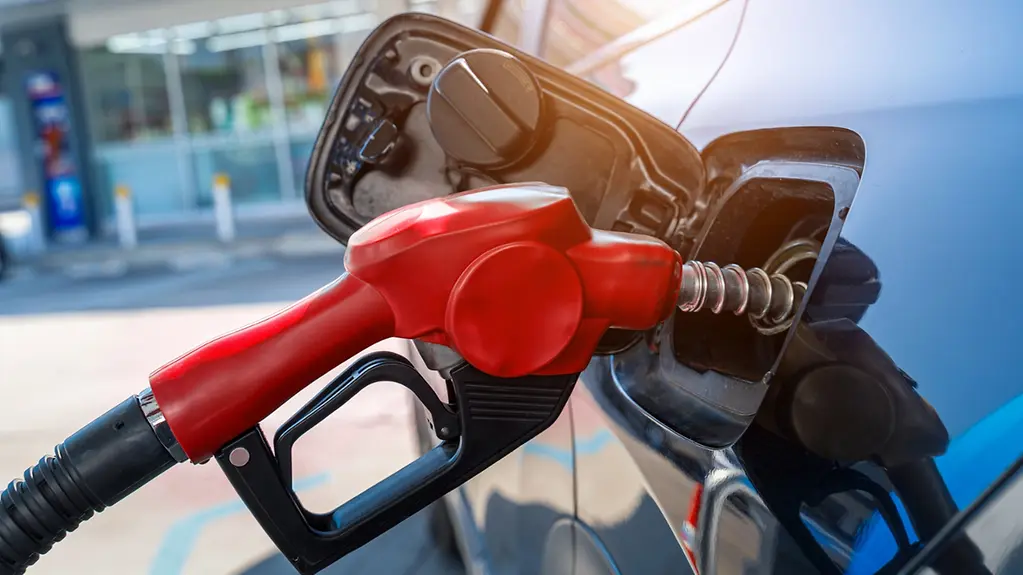
The Federal and State Governments are working together to ensure swift relief at the pump.
Photo: Shutterstock/Guitar photographer
The military unrest and the renewed escalation in the Middle East conflict are causing uncertainty on the markets. This trend is to blame for the high fuel prices in Germany. The situation is taking its toll not only on the economy, but also on members of the public – commuters, freelancers, volunteers and families alike. The Federal and State Governments are now working together to provide swift relief.
What have the Federal and State governments decided?
The Federal Government will reduce the energy tax on petrol and diesel by 14 cents per litre until the end of 2026. Including VAT, the tax relief on fuel therefore amounts to approximately 17 cents per litre.
How much of a financial relief does the tax cut provide?
In total, the aim is to provide relief to citizens and the business sector amounting to around 2.5 billion euros. The Federal and State Governments will share the cost of the planned relief measures. The Federal States are contributing 1.25 billion euros via a fixed-rate VAT levy.
When will the relief take effect?
In consultation with the Federal States and the coalition parliamentary groups in the German Bundestag, the relief package is to be implemented on 1 October 2026.
Federal Chancellor Friedrich Merz: “Anyone who relies on their car every day is reaching breaking point. We’re acting swiftly and have a clear roadmap for 2027. We are demonstrating that we are resilient in the face of the crisis and are helping our citizens. A reduction of no less than 2.5 billion euros is no small matter in times of tight budgets. I’m all the more pleased with how quickly we’ve put this package together. It sends a strong signal to our country.”
Are consumers actually benefiting from the tax relief?
The Independent Monopolies Commission and the Federal Cartel Office have concluded that the reduction in energy tax on petrol and diesel in May and June 2026 was, for the most part, passed on to consumers. The measure worked: the fuel rebate served its purpose by effectively cushioning price spikes during a period of particularly high fuel prices.
What else does the Federal Government intend to do about the high fuel prices?
The Federal Government will hold talks with the oil industry with a view to introducing a temporary cap on fuel prices, modelled on the systems in Luxembourg or Belgium, by 1 January 2027 at the latest. Security of supply must be guaranteed. Unfair price mark-ups must be stopped.
The Federal Government also welcomes the discussions within the European Union aimed at examining measures relating to the oil industry, in line with the EU’s 2022 energy crisis response.
The Federal Government will continue to monitor price trends and any potential economic consequences closely, so that, where necessary, it can provide targeted relief to those individuals and businesses most affected. To this end, the Federal Government is putting in place the necessary conditions for an income-related direct payment mechanism.
What has the Federal Government already done to provide relief?
The Federal Government has introduced tax relief by permanently increasing the commuter allowance. Commuters are benefiting significantly more than before. In addition, taxpayers on low incomes will continue to receive the mobility allowance. Families and people on low and middle incomes are to benefit from tax relief through a reduction in income tax from 2027 onwards. In the agricultural sector, the agricultural diesel refund has been fully reintroduced. The Federal Government is also further tightening competition law in order to monitor fuel pricing even more effectively.