Strengthening the business location for microelectronics
With its microelectronics strategy, the German government seeks to secure Germany's role as a leading semiconductor location in Europe and make use of the opportunities offered by the "European Chips Act". Research, skilled labour and production are also being strengthened in a targeted manner.
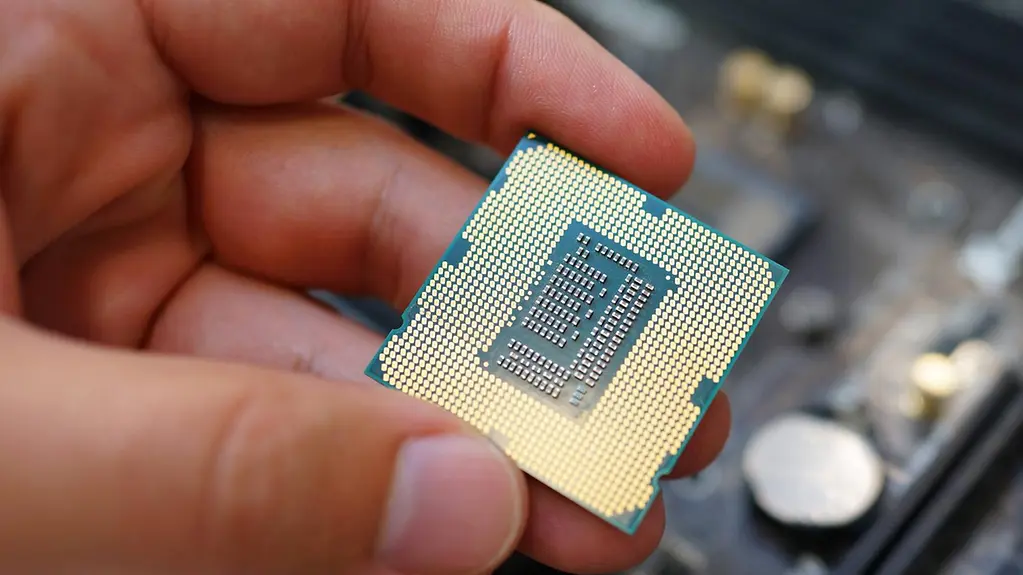
Microchips are important for smartphones, computers, cars, medical technology and energy supply, for example.
Photo: imago images/YAY Images
With this microelectronics strategy, the Federal Government is for the first time creating a clear orientation framework for the targeted and consistent implementation of measures in microelectronics. The strategy is a key contribution to the "High-Tech Agenda Germany". It also takes advantage of the opportunities offered through the "European Chips Act", which enables coordinated action by the European Union in this key technology.
"We are focusing on promoting central key technologies – artificial intelligence, quantum technologies, microelectronics, biotechnology, energy generation and climate-neutral mobility," emphasised Federal Chancellor Friedrich Merz. With this microelectronics strategy, "we want to set the course for Germany to become an even better location for microelectronics".
Why are microelectronics so important?
Microelectronics can be found in smartphones, computers, cars, medical technology and energy supply. Without innovative chips, future technologies such as artificial intelligence, quantum computers and automated mobility would be inconceivable. Supply bottlenecks – "chip crises", as they are known – can bring entire industries to a standstill.
Germany is the largest microelectronics business location in the EU with around 30 per cent of European wafer capacities. Wafers are small round discs of semiconductor material – usually silicon. They are the basis for the production of microchips and other electronic components.
To ensure competitiveness, the Federal Government is focussing on close cooperation with European partners. The Federal Government is therefore pursuing the goal of further strengthening Germany as a business location in cooperation with its European partners, securing technological sovereignty and increasing the resilience of supply chains.
What are the concrete benefits of the strategy?
The strategy bundles measures in three key areas:
- Research: Germany wants to drive the development of new chips, bring the results of research into production more quickly and utilise modern technologies to make chips even smaller, more powerful and more energy-efficient.
- Secure skilled labour: For the first time, there is targeted support for skilled labour in microelectronics. It complements the Federal Government's general measures and is closely interlinked with research and investment. The aim is to train qualified talent in greater numbers, attract international specialists and thus create the foundation for successful investments.
- Expand production: The Federal Government is creating incentives for new production facilities and technologies in Germany – from semiconductor production to materials and systems. This should make Germany a more attractive business location for investment and secure its role in global competition.
What does the strategy mean for the future?
The strategy strengthens the German microelectronics ecosystem, reduces dependencies and creates the basis for technological sovereignty. In doing so, it is making an important contribution to securing prosperity, employment and resilience in Germany and Europe.