Cabinet decision
The aerospace industry is a key sector in Germany. The Federal Government has therefore adopted a new aviation strategy. For the first time, it addresses issues relating to the aviation industry, air traffic and civil and military aviation together.
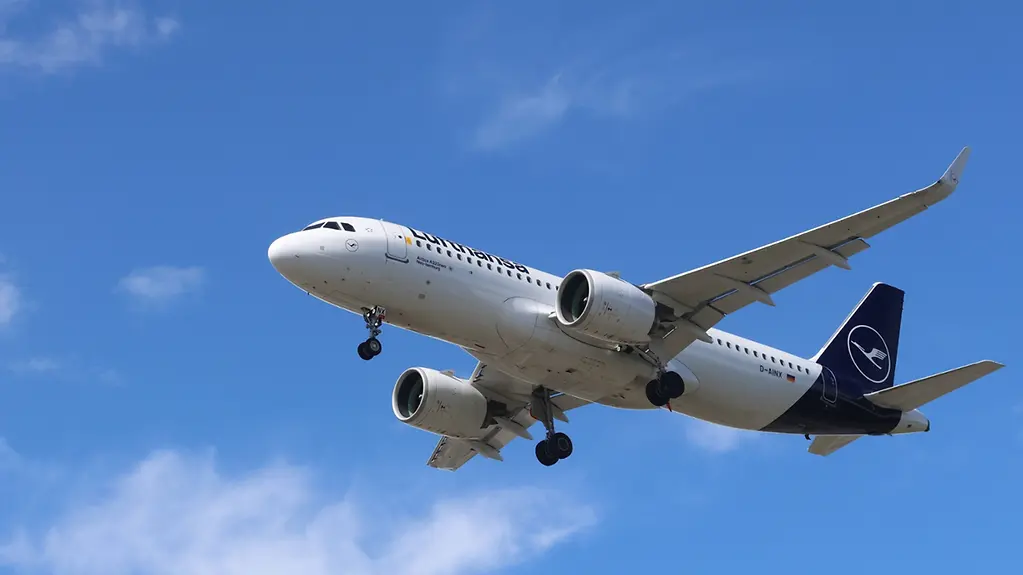
In order to strengthen German aviation in the long term, the Federal Government is focussing on economic relief and technological innovation, among other things.
Photo: IMAGO/Jan Huebner
The Federal Cabinet has adopted a new aviation strategy to make Germany a leading location for sustainable, safe and competitive aviation.
Efficient, safe and sustainable air transport moves people and goods. Aviation is therefore of central importance for mobility and for connecting German goods to markets worldwide – a key feature of economic strength, innovation and employment.
More innovation through aviation as a high-tech industry
The aviation industry is a high-tech industrial sector that promotes innovation and guarantees connectivity, added value and highly skilled jobs. Industry makes an important contribution to a strong and efficient location for industry in Germany and also to ensuring that the Bundeswehr can fulfil its tasks and is ready for deployment.
The strategy contains different approaches for all of these aspects. They prioritise four goals:
- Economic and technological competitiveness
- Sovereignty – aviation as a military and civil security technology
- Resilience – Germany as a resilient aviation hub as a safeguard for the future
- Sustainability - climate-friendly and environmentally compatible aviation
Promoting climate-friendly fuels
The Federal Government is supporting air traffic by reducing air traffic control charges and the costs of aviation security checks until 2029 and lowering the aviation tax, among other things. It is set to take effect on 1 July.
The strategy also aims to improve the conditions for the use of renewable fuels for aviation: this includes strengthening supply and production in Germany and taking better account of them in emissions trading, for example.
In addition, the government will continue to rely on an efficient and resilient network of airports with regional, cargo and 24-hour operations. The aim here is to further improve digital and climate-neutral operation and their integration into transport networks.
New legal framework for drones in progress
The government also wants to utilise the potential of the drone economy. To this end, for example, it wants to develop a national Unmanned Aviation Space Act for unmanned aviation by the end of 2026.
The new aviation strategy creates framework for more planning security in aviation for the next 15 years – for air traffic, the aviation industry and military aviation. The Federal Government will monitor the implementation of the strategy together with industry in an ongoing process.