In the “relief cabinet” at the beginning of November, the Federal Government decided on measures to significantly reduce bureaucracy. For example, the governing coalition voted in favour of abolishing the heating labels and the digitalisation of vehicle documents and property purchase contracts. It presented a concrete plan for the long-term reduction of bureaucracy with more than 50 further measures to reduce the burden. The constituent meeting of the National Security Council also took place.
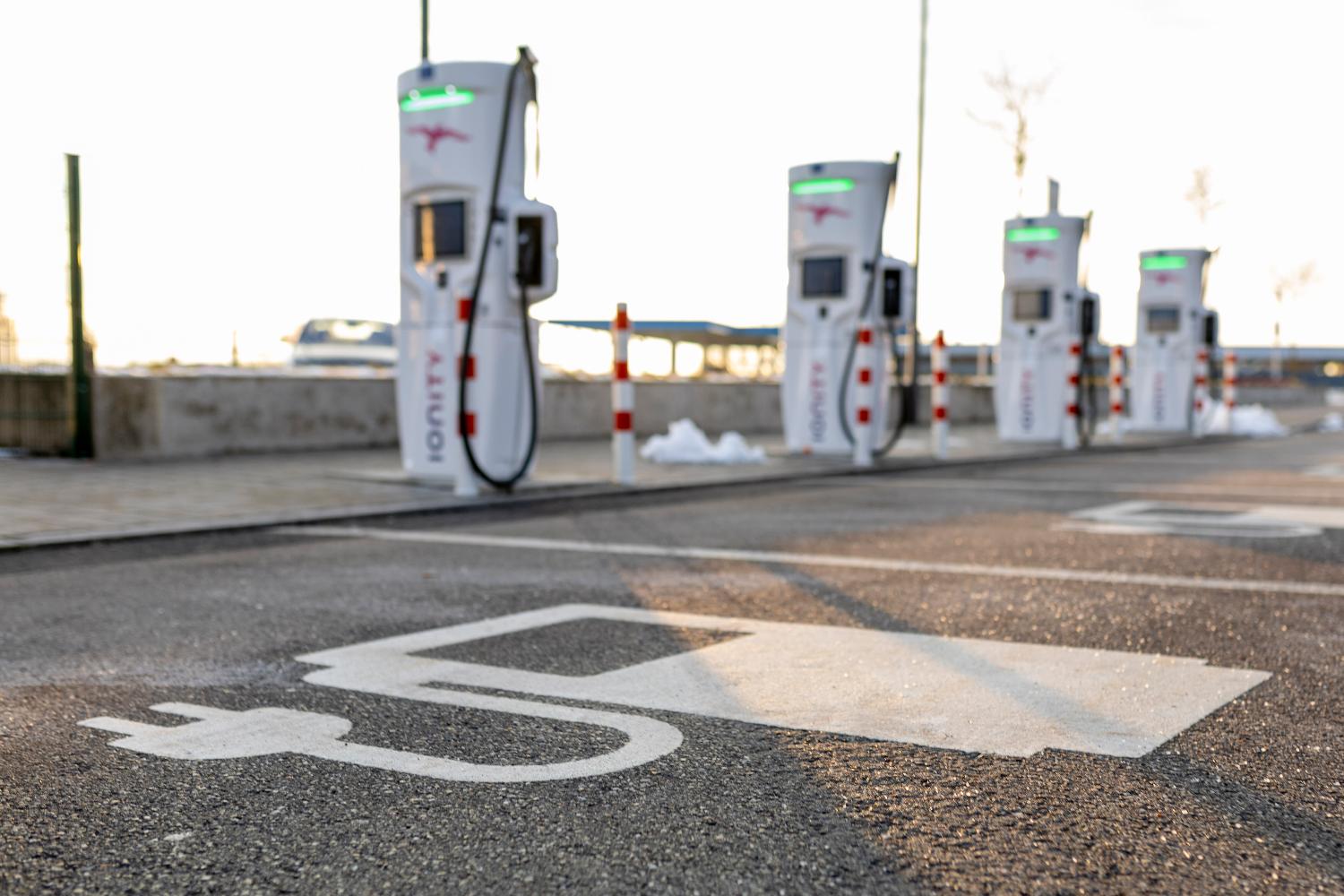
In mid-November, the governing coalition followed up with resolutions on the Charging Infrastructure Master Plan 2030, which will drive forward the expansion of the charging network, on electronic ankle bracelets in cases of domestic violence and on the space security strategy, in order to be able to act in space in the civilian and military sectors – in peace, in crisis situations and in the event of defence. It also adopted key points for a work-and-stay agency and the change of legal status for Ukrainian refugees. At the end of November, the Carbon Dioxide Storage Act came into force, which will make it possible to store CO2 in future.
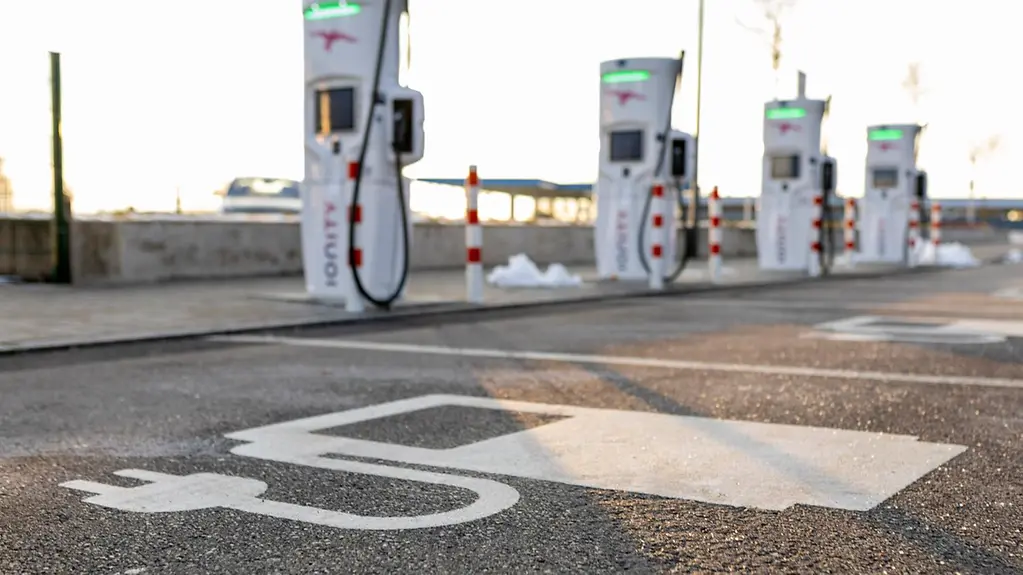
The charging infrastructure masterplan aims to better reconcile individual mobility and effective climate protection.
Photo: picture alliance / Teresa Kröger/Kirchner-Media