Approved by the Cabinet
With an eye on preparedness in the event of sabotage or attacks on infrastructure, the Federal Government has approved a new strategic gas reserve. The reserve should provide a 30-day supply of gas in the event of a complete disruption to gas supplies. Read on for questions and answers on this topic.
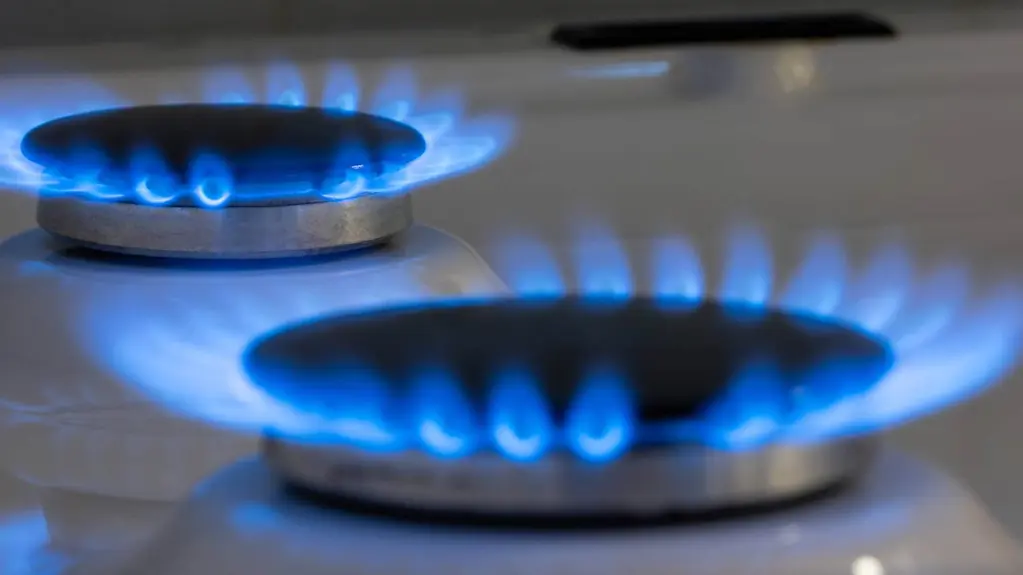
The Federal Government is laying the legal groundwork for a strategic gas reserve. At present, the gas supply to businesses and households in Germany is secure.
Photo: imago images/Dirk Sattler
The repercussions of the Iran-Middle East conflict are a cause for concern for many people, initially due mainly to high energy prices. The current supply of gas is guaranteed, and the Federal Government is ensuring that it remains secure throughout the winter. Yet even a more diversified energy supply cannot protect Germany from future extraordinary events, such as sabotage or targeted attacks on infrastructure.
The gas reserve is intended to be “available when supply disruptions are on the table”, in order to “prevent a shortage from turning into a full-blown crisis. In that case, we need gas supplies that are reliable,” explained Katherina Reiche, Federal Minister for Economic Affairs, commenting on the Cabinet’s decision. The strategic gas reserve is not intended to protect against high prices, but against crisis situations, the minister said.
At a glance: questions and answers on the strategic gas reserve
When is the new gas reserve expected to be operational?
Trading Hub Europe (THE), which is responsible for the German gas market, is to build up the new gas reserve as quickly as possible from 2027 onwards. The Federal Government is now putting the legal framework in place to ensure it is prepared for the winter of 2027/28, according to the Federal Minister for Economic Affairs.
This is subject to the Bundesnetzagentur, in its capacity as the network distributor, declaring an emergency due to an impending gas shortage. It should then use the gas reserve to prevent shutdowns at industrial plants, or the imposition of measures such as access to private gas stocks or temperature limits for public and private buildings. This represents a significant step forward in crisis preparedness, Reiche emphasised.
How long should the gas reserve ensure supply in an emergency?
The gas reserve is expected to comprise 24 terawatt-hours of additional physical gas, which is equivalent to around 10 percent of the capacity of Germany’s gas storage facilities. This ensures that the nationwide gas supply can be maintained for 30 days in the event of a failure of the key import infrastructure.
Will the gas reserve lead to higher costs for private households?
These additional crisis-prevention measures come at a cost, but they must place as little financial burden on the public as possible. Trading Hub Europe (THE) is therefore to spread the build-up of the full reserve volume over three years in a way that minimises disruption to the market and keeps price impacts to a minimum.
The allocation of the annual costs to gas suppliers and, ultimately, to their customers is expected to increase the price per kilowatt-hour (kWh) of gas by an estimated 0.03 to 0.05 cents.
The average gas price for a private household is currently between 11 and 12 cents per kWh (kilowatt-hour). The introduction of the levy will increase gas supply costs for domestic customers by between 0.3 and 0.5 percent. Depending on individual annual consumption, the levy for private households is expected to amount to between approximately four and seven euros per year.
Why are the existing gas storage requirements no longer sufficient?
The legal requirements governing the filling of German gas storage facilities were important and appropriate when they were introduced in 2022. At the time, they helped to ensure supplies were maintained at short notice following the loss of supplies from Russia.
These level requirements will expire on 31 March 2027, and storage levels alone are no longer the decisive factor in security of supply. With the strategic gas reserve, the Federal Government is laying new foundations to enable it to respond swiftly to future crises. The new gas reserve is strictly separated from the market and the gas companies’ winter contingency planning.
How will the gas supply be maintained in winter when less gas needs to be stored?
At present, the gas supply is secure despite the conflict in the Middle East, as it is based on a broader and more flexible foundation than in the past. This means that pipeline gas – and now also LNG (Liquefied Natural Gas) – supplied to the new terminals in Germany can ensure that there is sufficient gas available in Germany in the short term.
The new gas reserve does not relieve gas companies of their responsibility for winter preparedness. They remain responsible for fulfilling their delivery obligations and meeting their consumption targets, and this continues to apply even in very cold winters.
The Federal Government also intends to take additional measures to improve the security of the natural gas supply, even if there is no threat of a gas shortage. To this end, the Cabinet has agreed on a set of key points. One of these involves drawing up a supplier commitment to safeguard winter preparedness on the basis of a future EU-wide regulation.