Photo series
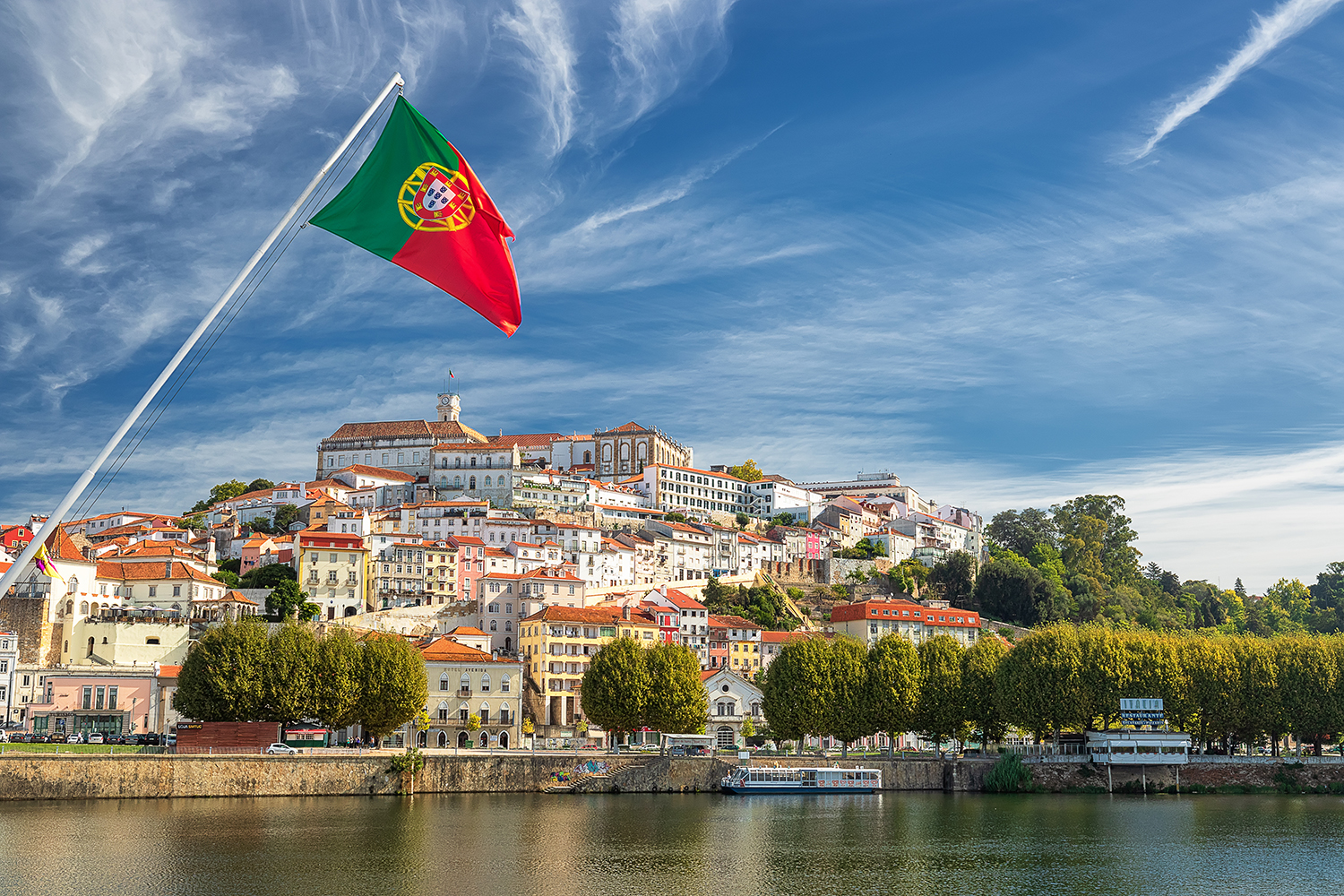
On 1 January 2021 Portugal will take over the Presidency of the Council of the European Union from Germany. High time then to find out more about Portugal, the country in the west of the Iberian peninsula, and its role within the EU.
- E-mail, Portugal takes over the Presidency of the Council of the European Union
- Facebook, Portugal takes over the Presidency of the Council of the European Union
Share the article
- E-Mail E-mail, Portugal takes over the Presidency of the Council of the European Union
- Facebook Facebook, Portugal takes over the Presidency of the Council of the European Union
- X X, Portugal takes over the Presidency of the Council of the European Union
- Threema , Portugal takes over the Presidency of the Council of the European Union
- WhatsApp share via Whatsapp, Portugal takes over the Presidency of the Council of the European Union
Portugal joined the European Economic Community on 1 January 1986 along with Spain, bringing the number of member states to twelve. Portugal has also been part of the euro zone since 1999 and part of the Schengen Area since 1995.
The most westerly point of the European continent lies in Portugal - the Cabo da Roca. Some 40 kilometres west of Lisbon, the Cape towers 140 metres above the ocean. Portugal’s territory also embraces the Azores and Madeira (with Porto Santo). The country is home to 10.3 million people. About three million Portuguese live in other countries around the world. In the European Union most expatriate Portuguese live in France, Germany and Luxembourg.
Accession to the European Economic Community in 1986 gave Portugal’s economy a huge boost. The Single Market brought about a radical structural change in the country. Traditionally an agrarian state, Portugal saw its services sector become the most important pillar of the economy. Tourism is by far the country’s largest source of income. More than 20 million foreign tourists visit Portugal every year.
On 1 January 2021, Portugal will take over the Presidency of the Council of the European Union for the fourth time, following 1992, 2000 and 2007. On 13 December 2007, under Portugal’s Presidency, the EU reached a milestone: The Treaty of Lisbon was signed. It came into effect on 1 December 2009 and is still the legal foundation of the EU today. The Treaty also strengthened the influence of the European Parliament.