Relief measures approved
The governing coalition plans to cut electricity tax to the European minimum and introduce a cap on fuel prices as of 1 January 2027. The reductions in electricity prices are intended to benefit small businesses and families in particular.
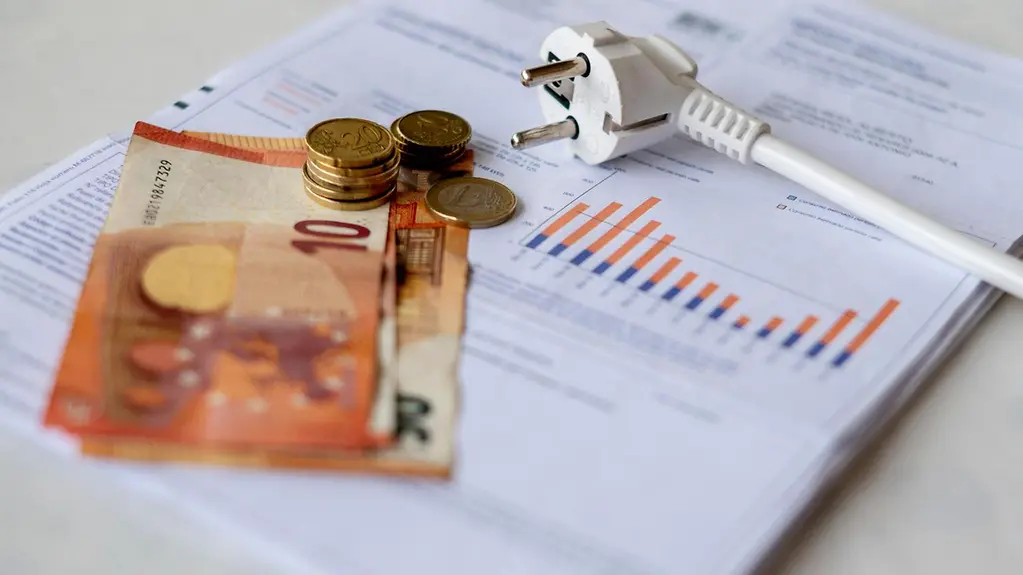
Electricity tax is set to fall from the current 2.05 cents per kilowatt-hour to 0.1 cents.
Photo: Getty Images/Europa Press/sAlberto Ortega
During consultations at the Federal Chancellery, the governing coalition has agreed to provide further relief to citizens and businesses: from 1 January 2027, the electricity tax is set to fall for private households, as well as for many businesses that have not previously benefited from this. This will result in an additional 5 billion euros in relief for electricity customers in Germany, said Federal Chancellor Friedrich Merz.
In addition, a cap is to be placed on the rise in fuel prices, regarding which a cabinet decision will be made shortly.
What does this mean exactly?
For private households, the electricity tax will fall from the current 2.05 cents per kilowatt-hour to 0.1 cents. Businesses that have not previously received support will likewise see their rates drop to 0.1 cents. A typical hairdressing salon, for example, will save several hundred euros a year on its electricity bill, whilst annual savings for a supermarket will be as much as several thousand euros.
To offset the costs, the intention is to use funds not required in 2027 under the Renewable Energy Sources Act (EEG).
The reduction is initially set to apply until 31 December 2027, with the aim being to continue it subsequently. The necessary funding for this needs to be offset accordingly in the 2028 budget.
Three-month crisis-related cap on fuel prices
Fuel prices, which have risen due to the situation in the Persian Gulf, are to be capped in order to prevent excessive mark-ups. The maximum permitted prices will be determined using a transparent formula based on international market prices.
The regulation is intended to remain in force for three months and is not intended to be a permanent measure, as there must be no risk to the security of supply. Regional exceptions may apply, and the law is being implemented in close consultation with the oil industry and the federal states.
“We have kept to our word: electricity tax will be reduced, and households in Germany will see their bills fall – just as promised”, said the Chancellor.